

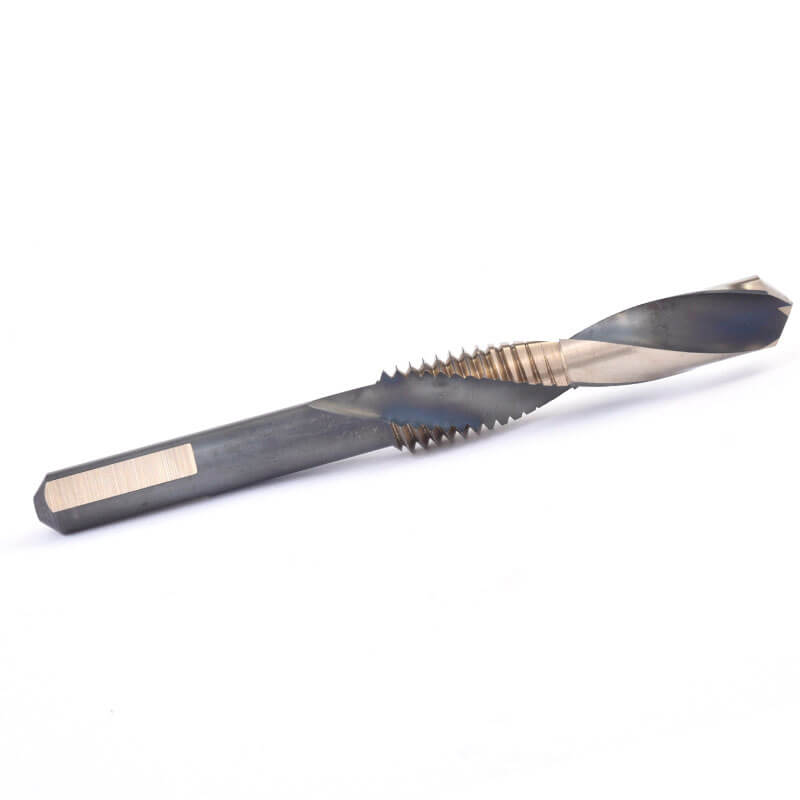
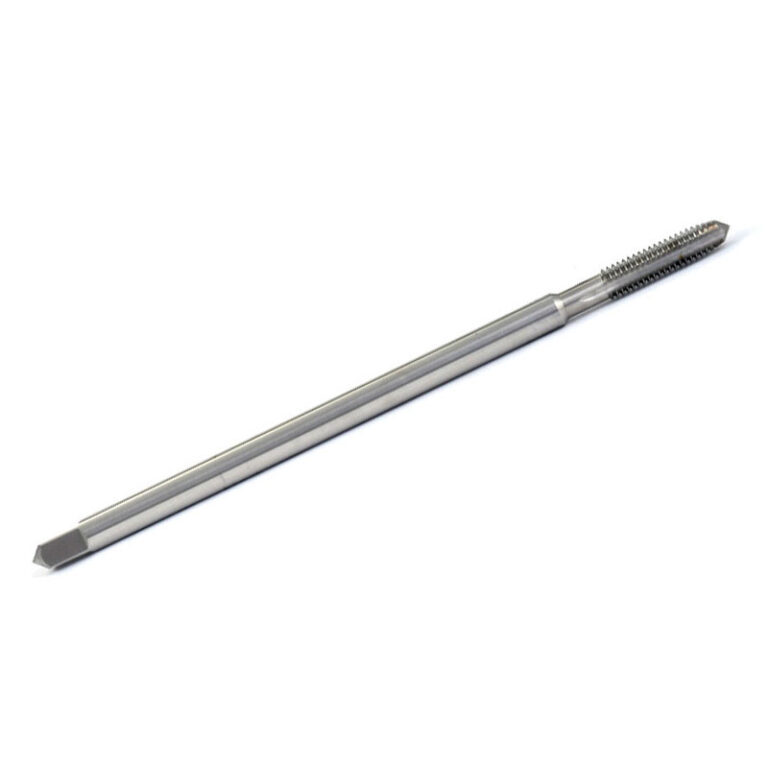

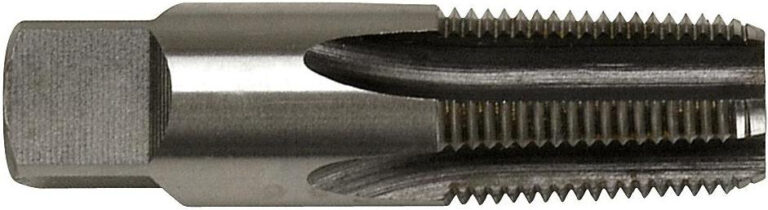


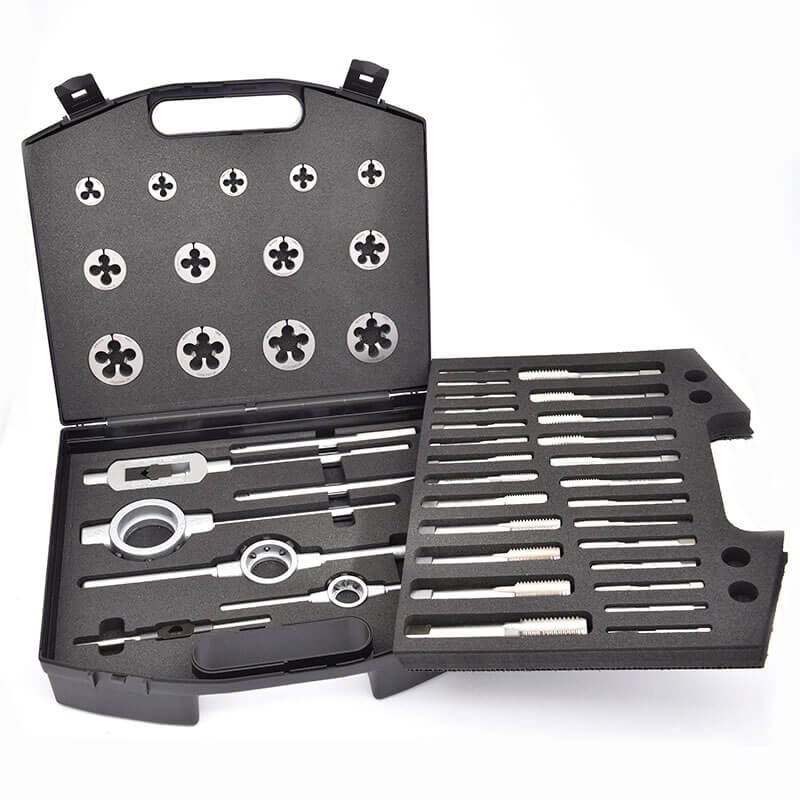
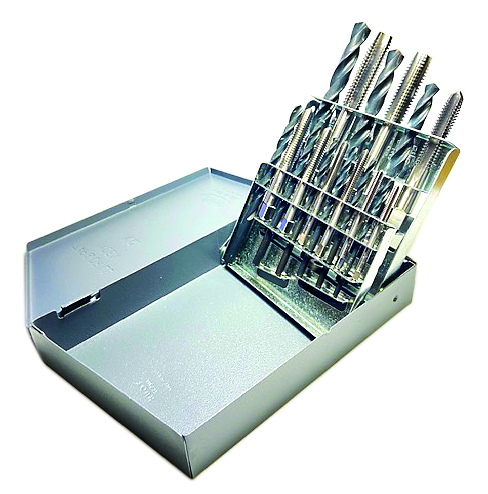
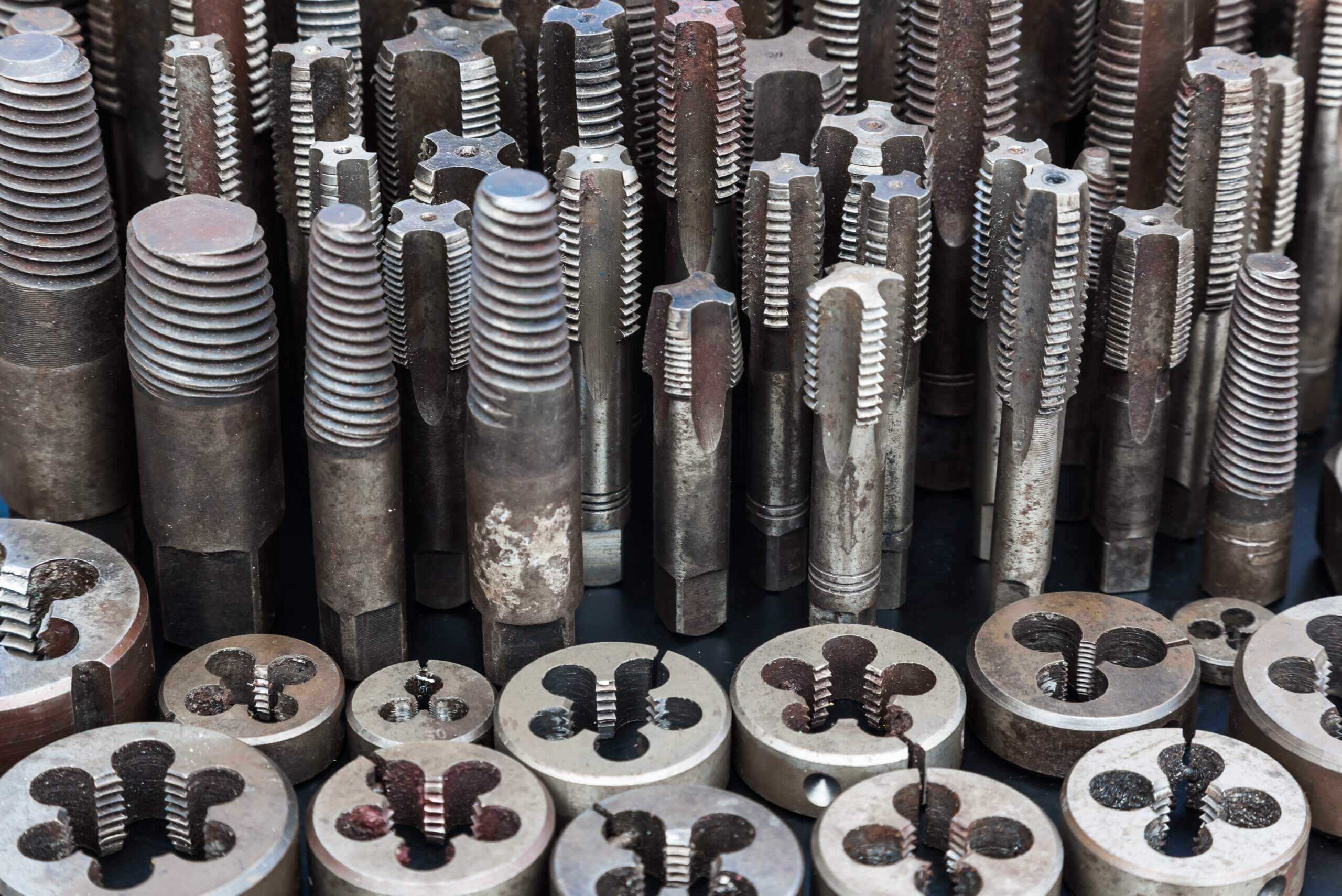
When cutting precise internal threads, maximizing tool life, and eliminating the catastrophic cost of a broken tool inside a finished part are your top priorities, Clarkson-Osborn Tools delivers. As Canada’s premier authority on high-precision threading tools, we supply an elite lineup of industrial-grade machine and hand taps. From high-speed, automated production runs in automotive plants to difficult deep-hole threading in aerospace components, our taps deliver exact thread tolerances, clean chip control, and extreme durability.
Explore our extensive technical inventory of premium threading taps. Whether your operation requires aggressive spiral point taps for through-holes, specialized spiral flute geometries for lifting chips out of deep blind holes, or rugged hand tap sets for versatile toolroom maintenance, we stock the advanced substrates and surface treatments required to keep your production lines moving efficiently.
Production-Grade Threading Taps for Exact Internal Pitch Profiles
Selecting the proper tap configuration requires matching your machine’s rigidity, spindle speed, and workpiece hardness to the correct flute geometry and chamfer length. Utilizing the wrong tap style can result in chip packing, torn thread flanks, or immediate tool breakage. Our catalog features specialized cutting and forming geometries engineered to optimize thread quality across all ferrous and non-ferrous metal groups.
Understanding Tap Geometries & Flute Formulations
- Spiral Point (Gun) Taps: The premier choice for high-speed machine tapping of through-holes. Engineered with an angular fluting profile at the cutting tip, these taps shear chips cleanly and eject them ahead of the tool, pushing them forward through the bottom of the hole and preventing flute clogging.
- Spiral Flute Taps: Designed specifically for blind holes (holes that do not go all the way through the material). Featuring a helical flute design similar to a drill bit, spiral flute taps lift chips upward and out of the top of the hole, preventing dangerous accumulation and compaction at the bottom of the bore.
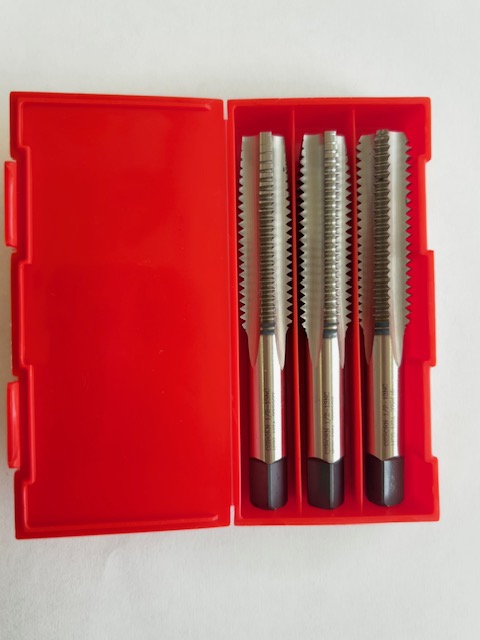
- Straight Flute Hand Taps: The universal toolroom standard for manual operation and light machine tapping. Available in individual styles or complete 3-piece sets, they offer high structural rigidity and are highly economical for general-purpose maintenance threading.
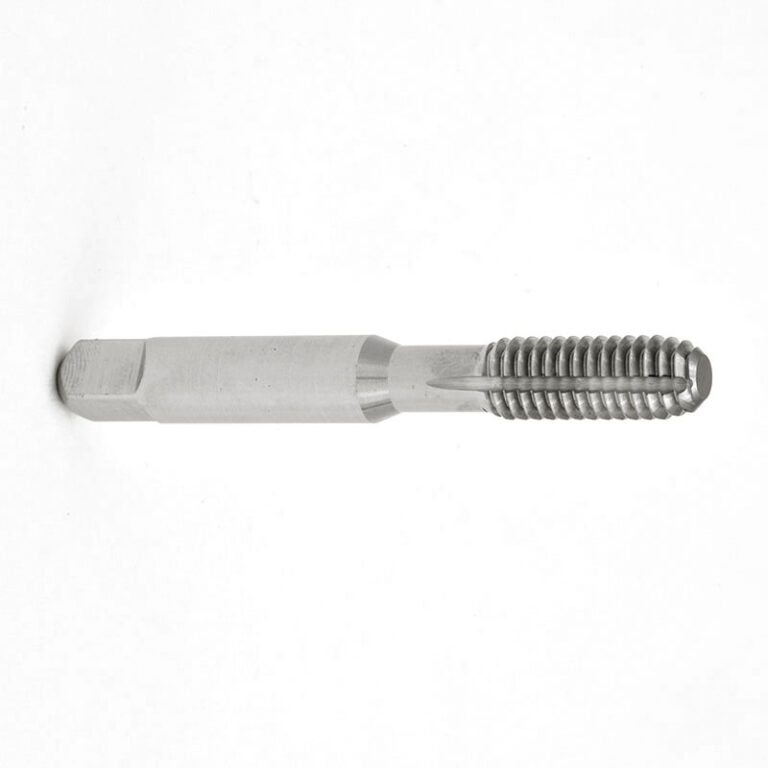
- Thread Forming (Roll) Taps: Unlike traditional cutting taps, forming taps do not cut material or produce any chips. Instead, they displace and cold-form the metal into a thread profile. This process eliminates chip-evacuation issues completely and produces incredibly strong, work-hardened internal threads—ideal for ductile materials like aluminum and soft steels.
Selecting the Right Chamfer Style: Taper vs. Plug vs. Bottoming
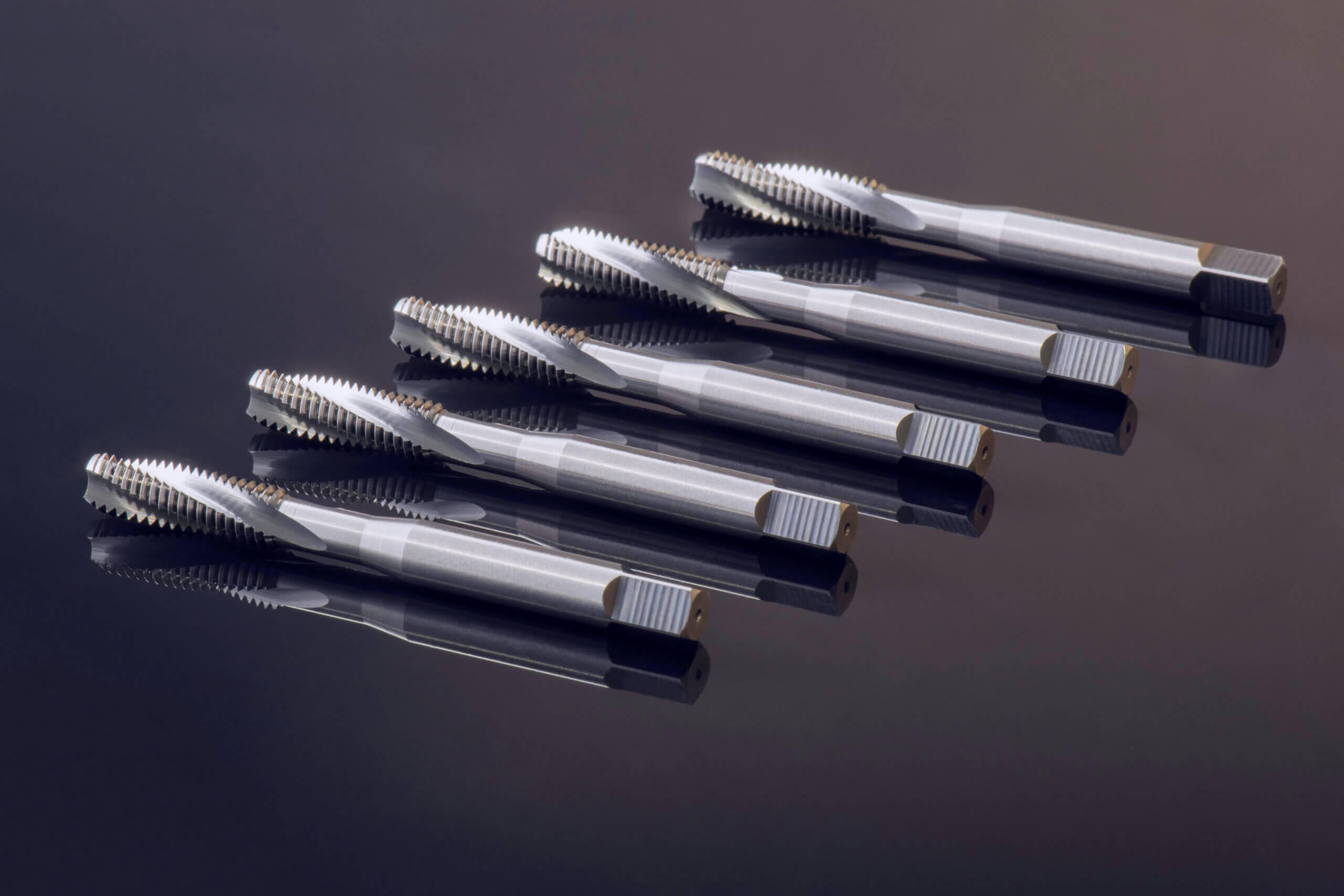
The chamfer refers to the tapered cutting teeth at the front of the tap that distribute the chip load:
- Taper Chamfer (7–10 Threads): Features the longest, most gradual entry taper. This layout requires the least amount of turning torque and acts as a self-aligning guide, making it ideal for starting straight threads by hand.
- Plug Chamfer (3–5 Threads): The most versatile and widely utilized chamfer style in both manual and CNC machine applications. It provides a balanced combination of easy starting characteristics and efficient depth penetration.
- Bottoming Chamfer (1–2 Threads): Features an ultra-short entry taper, allowing the cutting teeth to generate full, deep threads almost all the way to the absolute bottom of a blind hole.
Selecting the Tap Substrate: Metallurgy & Coating Performance
To prevent binding, chip welding, and tool failure, match your industrial material group to the correct metallurgical composition and surface coating:
| Tap Substrate / Coating | Best Used For | Key Advantages |
|---|---|---|
| Solid Carbide | Cast iron, abrasive plastics, aluminum, high-volume CNC. | Ultimate hardness, incredible wear resistance, holds strict tolerances over long runs. |
| Cobalt Alloys (M35/M42) | Stainless steels, titanium, high-tensile alloys, structural steel. | Superior red-hardness; cutting edges resist heat breakdown under heavy loads. |
| High-Speed Steel (HSS) | Various steel grades, Carbon steels, aluminum, brass, copper, general maintenance. | Outstanding structural toughness, highly resistant to shock/vibration, economical. |
| TiN / TiAlN Coatings | High-speed production, dry tapping, abrasive metal groups. | Drastically reduces friction, lowers cutting temperatures, expands tool life by 300%. |
Why Source Industrial Threading Taps from Clarkson-Osborn Tools?
For more than 50 years, Clarkson-Osborn Tools has been Canada’s trusted partner for high-precision manufacturing, fabrication, and maintenance engineering. We back our internal threading inventory with elite quality controls:
- Exhaustive Thread Form Availability:We maintain immediate stock across a deep range of profiles, including Unified National Coarse (UNC), Unified National Fine (UNF), Metric, National Pipe Thread (NPT/NPTF), British Standard Whitworth (BSW), British Standard Fine (BSF), British Standard Pipe Parallel (BSPP), and British Standard Pipe Taper (BSPT) configurations.
- Optimized Sizing Tolerances: Our inventory features standard H-limits (imperial) and D-limits (metric) to ensure your final threads precisely match Class 2B or 3B fit requirements.
- Engineered for Canadian Heavy Industry: Our products are meticulously sourced to satisfy the rigorous processing demands of Canada’s core economic sectors—including automotive assembly, aerospace component manufacturing, defense, and resource extraction.
Frequently Asked Questions
An H-limit (or D-limit for metric) designates the specific pitch diameter tolerance zone of the tap. Each increment (e.g., H3 vs. H5) represents an increase of 0.0005 inches over the basic pitch diameter. CNC programmers select specific H-limits to ensure that even after applying protective plating or factoring in minor tool wear, the finished internal thread stays perfectly within blueprint specifications (such as a 2B or 3B fit class).
Tap breakage in blind holes is almost always caused by chip compaction. If you use a standard straight flute or spiral point tap in a blind hole, the chips accumulate at the bottom, jam the tool, and cause it to snap under torsional torque. To fix this, switch to a spiral flute tap to pull chips out of the hole, ensure your pilot hole is drilled sufficiently deep, and use a high-quality thread cutting fluid.
No. Thread forming (roll) taps require the workpiece material to be ductile so it can flow and mold into shape. Ductile materials typically have an elongation factor of 5% or greater (such as aluminum, brass, copper, and low-carbon mild steels). Brittle materials like cast iron, or hard materials like tempered tool steels, will not flow; attempting to use a forming tap on them will result in immediate tool destruction.
