Clarkson-Osborn Tools
Book a free consult (905) 453-4680
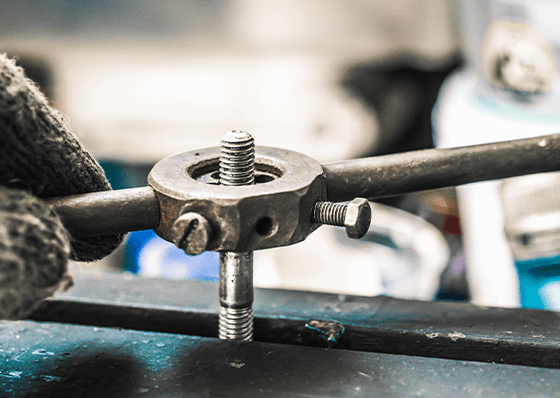
Blind hole vs through hole tapping: Selecting the right tap every time

Blind Hole vs Through Hole Tapping: Selecting the Right Tap Every Time

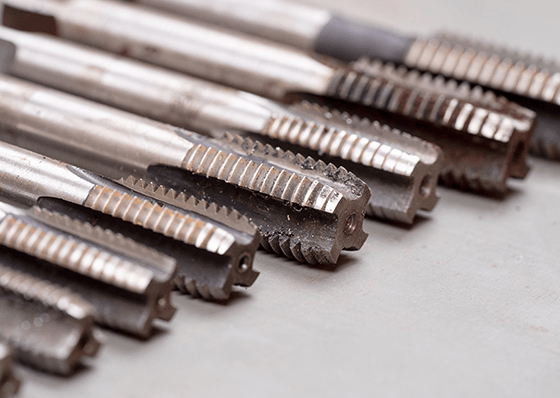
Blind and through holes create different requirements for chip evacuation, thread depth, and tap geometry. Choosing a tap based only on thread size can result in chip packing, poor thread quality, premature wear, or a broken tool.

For machinists, fabricators, maintenance personnel, and purchasing teams, selecting the right tapping tools means looking at the complete application. The physical hole design is the logical place to start.

Read more
Picking the right substrate for drilling applications: When to choose HSS vs. Cobalt vs. Solid carbide material

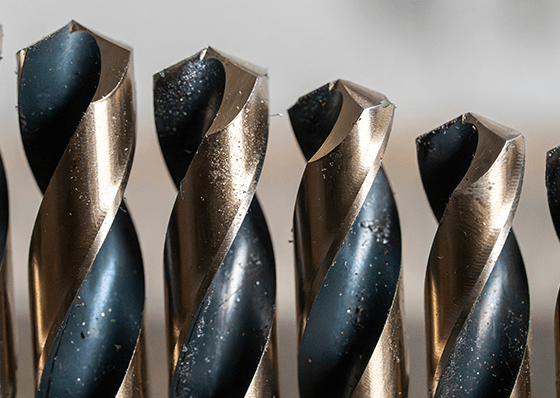
Picking the Right Substrate for Drilling Applications: When to Choose HSS vs. Cobalt vs. Solid Carbide Material

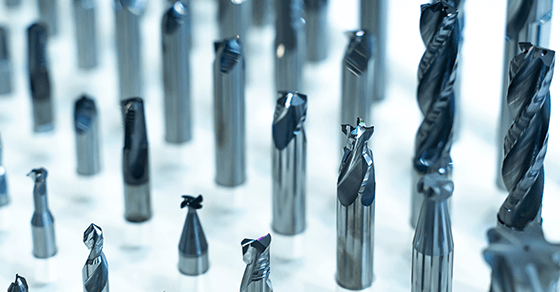
Choosing the right drill bit material affects more than cutting speed. It influences tool life, hole quality, heat control, and the overall cost of the job. A drill bit that works well in one application can wear quickly, wander, or fail outright in another.

In most drilling environments, the conversation comes down to three common drill bit materials: high-speed steel, cobalt, and solid carbide. Each has a place. The challenge is understanding where each one performs well and where it becomes the wrong choice.

At Clarkson-Osborn Tools, we help customers sort through those decisions every day. When the substrate matches the material being drilled, the machine setup, and the production demands, you are far less likely to deal with premature wear, breakage, or inefficient drilling.

Read more
How to choose the correct bandsaw blade: Selecting substrate, tooth pitch, and more

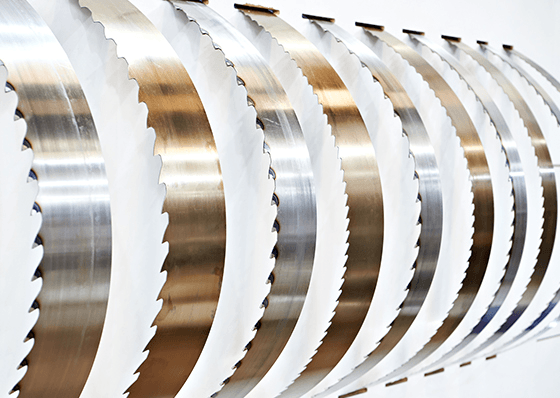
How to Choose the Correct Bandsaw Blade: Selecting Substrate, Tooth Pitch, and More

Bandsaw performance depends on much more than blade size. A blade that fits the machine can still be the wrong choice if it does not match the material, the cut type, or the demands of the job. In production environments, that mismatch can show up as rougher cuts, shorter blade life, slower throughput, or unnecessary interruptions on the floor.

The best bandsaw blade selection starts with understanding the variables before the blade is ordered. Material type, tooth pitch, substrate, and application conditions all work together, and the right choice usually comes from looking at the job as a whole rather than isolating one specification. With a clearer selection process, buyers and operators can make better decisions for cut quality, efficiency, and long-term performance.

Read more
Troubleshooting tapping: Solutions for poor thread quality

Troubleshooting Tapping: Solutions for Poor Thread Quality

Poor thread quality is usually a symptom of a deeper tapping issue, not a random tool failure. Torn threads, rough finishes, binding, premature wear, or a broken tap often point back to the application: the tap style, workpiece material, hardness, thread depth, hole type, chip removal, cutting fluid, or whether the job is being done by hand or by machine.

At Clarkson-Osborn Tools, we treat thread repair as part of a broader troubleshooting conversation. Damaged threads may need attention, but the better first step is understanding why the threading problem happened. A repaired thread or replacement tap will not solve much if the same setup keeps producing the same result. This guide walks through the practical factors that affect thread quality, so the right correction can be made before the next failure shows up.

Read more
Single-cut vs double-cut carbide burrs: Which is best for your application?

Single-Cut vs Double-Cut Carbide Burrs: Which Is Best for Your Application?

Choosing between single-cut and double-cut carbide burrs is not just a matter of operator preference. The cut style can affect how quickly material is removed, how clean the surface feels after cutting, how much control the operator has, and how consistently the tool performs in the application. For machinists, fabricators, metalworkers, purchasing teams, and industrial users, those differences can shape both the working experience and the finished result.

Read more

How to choose the right tap for your application

How to Choose the Right Tap for Your Application

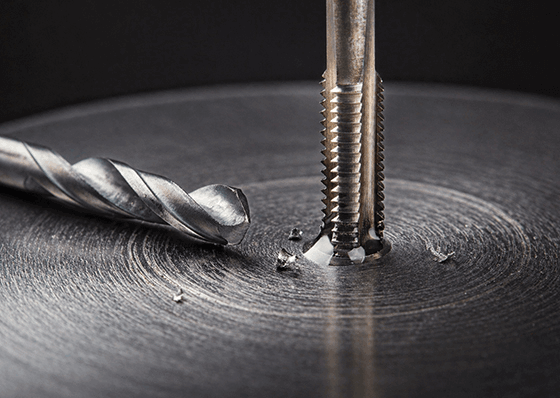
Choosing the right tap takes more than matching the thread size to the print. The real decision starts earlier, with the application itself. You need to know whether the job is better suited to a hand tap or a machine tap, then work through the details that affect performance: workpiece material, hardness, thread depth, hole type, tap geometry, coating, and substrate. Those factors all shape thread quality, tool life, and how smoothly the tapping cycle runs. At Clarkson-Osborn Tools, we help customers sort through those variables every day. This guide breaks down the main decision points so you can choose the right tapping tool with more confidence and avoid problems that show up too late, after production slows down or taps start failing.

Read more

Why correct tool selection matters: Reducing downtime with the right drills for your application

Pourquoi le choix des outils appropriés est essentiel : Réduisez les temps d’arrêt grâce aux forets adaptés à votre application

In industrial machining, time truly is money. Every minute of unexpected downtime caused by broken drill bits, poor performance, or improper tool choice puts production behind schedule and drives up costs across the entire operation, affecting productivity, deadlines, and overall manufacturing efficiency.

At Clarkson-Osborn Tools, we know that selecting the right cutting tools isn’t just about the cut; it’s about keeping your machines running, your staff productive, and your operations efficient day after day in demanding machining environments. That starts with selecting the right drill for each application and understanding how tool performance directly impacts workflow, reliability, and long-term operational success.

Read more

Industrial Cutting Tools