


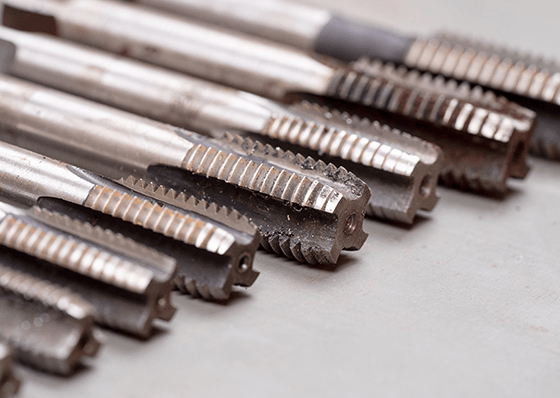
Poor thread quality is usually a symptom of a deeper tapping issue, not a random tool failure. Torn threads, rough finishes, binding, premature wear, or a broken tap often point back to the application: the tap style, workpiece material, hardness, thread depth, hole type, chip removal, cutting fluid, or whether the job is being done by hand or by machine.
At Clarkson-Osborn Tools, we treat thread repair as part of a broader troubleshooting conversation. Damaged threads may need attention, but the better first step is understanding why the threading problem happened. A repaired thread or replacement tap will not solve much if the same setup keeps producing the same result. This guide walks through the practical factors that affect thread quality, so the right correction can be made before the next failure shows up.
How To Troubleshoot Tapping Issues Before Thread Repair Is Needed
Good troubleshooting starts with the full tapping setup. The workpiece, hole condition, tap style, operating method, chip evacuation, cutting fluid, and tool condition all influence the final thread. Looking at only the tap can lead to a quick replacement that misses the actual cause of the problem.
Poor thread quality can show up in several ways. Threads may be torn, rough, oversized, undersized, incomplete, or inconsistent from one hole to the next. Operators may notice binding, higher torque, poor finish, premature tap wear, or tap breakage. These are practical problems, and they usually have practical causes.
The wrong tap style may push chips into the wrong area. Poor alignment can damage the thread form before the tap has a chance to cut cleanly. Unsuitable cutting fluid can increase friction and heat. Excessive depth, poor hole preparation, incorrect speed, or a mismatch between the tap and material can all turn a routine threading operation into repeated scrap, rework, or tool failure.
Start By Confirming Whether It Is A Hand Tap Or Machine Tap Application
The tapping method shapes the troubleshooting path. A hand tapping application depends heavily on feel, alignment, steady pressure, and operator control. Small changes in angle or pressure can affect the finished thread, especially when the material is difficult or the hole is deep.
Machine tapping places different demands on the setup. Speed, feed, toolholding, alignment, and repeatability become central to the result. For example, inconsistent threads in a hand operation may point toward alignment or pressure variation, while repeated poor thread quality in a machine operation may suggest setup, speed, feed, or toolholding concerns. Neither method is automatically the problem, but the method does influence which questions should be asked first.
Match The Tap To The Workpiece Material, Hardness, And Thread Depth
Before blaming the tap itself, review the material being threaded. Different workpiece materials respond differently to cutting action. Harder materials, softer materials, abrasive materials, and materials that create difficult chips may each require different thinking around tap style, tap material, surface treatment, speed, and cutting fluid.
Thread depth also changes the demands on the tool. Deeper threads can increase torque and make chip management more difficult, particularly when the chips have limited room to clear. The core question is simple: what is the workpiece material, what is the hardness, and how deep is the thread? Without those details, any recommendation is partly guesswork.
Check Whether The Hole Is Through Or Blind
Hole type has a direct effect on chip movement. In a through hole, chips have a path to move out of the cut. In a blind hole, chips can collect at the bottom, where they may interfere with the cutting action and increase the risk of poor finish, binding, or a broken tap.
That difference matters before choosing a tap style or deciding whether thread repair is the next step. If the hole design makes chip removal difficult, the threading issue may return even after a damaged thread is corrected. A blind-hole application with packed chips, rising torque, and worsening thread finish needs a different review than a through-hole application with open chip flow.
Choose The Right Tap Style For The Threading Issue
Tap style is one of the strongest clues in a thread quality investigation. Hand taps, spiral point taps, spiral flute taps, and form taps are considered for different application needs, including hole type, chip direction, material behaviour, and operating method.
|
Tap Style |
Application Consideration |
Why It Matters |
|
Hand tap |
Often reviewed for manual operations |
Alignment and operator control affect the result |
|
Spiral point tap |
Often considered where chip direction is a factor. Used for through holes only. |
Chip movement can influence finish and torque |
|
Spiral flute tap |
Often reviewed for applications where chip evacuation is difficult. Used for blind holes only. |
Hole type and chip flow affect thread quality |
|
Form tap |
Considered where the application is suited to forming rather than cutting |
Material behaviour must match the process |
The right choice can help resolve threading issues before they become repeated failures. We ask application questions because tap selection should follow the conditions of the job, not a generic part name.
Review Chip Removal Before Blaming The Tool
Chip removal is a common source of thread problems. Chips that pack into the hole or drag across newly formed threads can contribute to rough threads, torn threads, increased torque, binding, or tap breakage. A tap may look like the cause after it fails, but the chips may have been creating the problem long before the break.
Consider a blind-hole application where the thread quality worsens as the tap reaches depth. The first holes may look acceptable, then the finish begins to tear, torque rises, and a broken tap eventually stops the operation. In that situation, reviewing chip evacuation, tap style, hole depth, and cutting conditions may reveal more than inspecting the failed tool alone.
Make Sure Cutting Fluid Supports The Material And Operation
Cutting fluid affects friction, heat, finish, and tool life. Using too little fluid, applying it inconsistently, or using a fluid that does not suit the material or process can make threading issues worse. It should be reviewed alongside material, tap style, hole type, and operating method.
The right cutting fluid choice depends on the workpiece material and tapping process. Rather than treating fluid as an afterthought, include it in the troubleshooting conversation from the beginning. A clean thread depends on the whole setup working together.
Inspect The Existing Threads Before Deciding On Thread Repair
Once threads are damaged, the next step depends on their condition and on what caused the damage. Thread repair may be part of the solution in some situations, but repairing or chasing threads is not the same as correcting the original process issue.
If the root cause remains, the same problem can return in the next hole. We can help review the thread condition and the tapping application before deciding whether the thread can be corrected, whether the part needs another solution, or whether the process should be adjusted first.
Common Causes Of Poor Thread Quality In Tapping
|
Threading Problem |
Possible Cause |
What To Review |
|
Rough or torn threads |
Poor chip evacuation, unsuitable fluid, worn tap |
Chip flow, cutting fluid, tool condition |
|
Oversized or inconsistent threads |
Alignment, setup, toolholding, tap mismatch |
Hand or machine method, hole preparation, tap style |
|
Binding or high torque |
Chip packing, excessive depth, wrong operating conditions, or incorrect hole size. |
Hole type, thread depth, speed, feed, lubrication |
|
Premature wear |
Material mismatch, poor fluid, incorrect use |
Workpiece material, hardness, tap selection |
|
Broken tap |
Excess torque, packed chips, misalignment, wrong tap style, or incorrect hole size. |
Full application, not only the failed tool |
These causes can overlap. A thread quality problem may involve more than one factor, which is why we review the full application before recommending tool replacement, process changes, or service support.
When A Broken Tap Points To A Larger Application Problem
A broken tap is the visible failure, but it is not always the root cause. Tap breakage can point to chip packing, misalignment, excessive depth, poor cutting fluid use, incorrect speed or feed, unsuitable tap style, or a mismatch with the workpiece material.
Replacing the tap without reviewing the cause can leave the same problem waiting in the next hole. For example, if chips are packing at the bottom of a blind hole, a new tap may follow the old one into the same conditions. Diagnosis should come before replacement or repair whenever possible.
Get Help With Thread Repair And Threading Issues From Clarkson-Osborn Tools
Poor thread quality should be approached through careful troubleshooting of the tapping application. Material, hardness, thread depth, hole type, tap style, chip removal, cutting fluid, and operating method all affect the final result. A damaged fil may need attention, but the process that caused it deserves the same level of review.
When thread quality starts to fail, thread repair may be part of the answer, but the better first step is understanding why the tapping issue happened. We can help you review the application, compare tap styles, and solve threading issues with practical support through our services.
Reach out to Outils Clarkson-Osborn today at (905) 453-4680, email us at info@clarkson-osborn.com, or click here to get in touch online.
Frequently Asked Questions About Thread Repair And Thread Quality
What Causes Poor Thread Quality When Tapping?
Poor thread quality can come from the wrong tap style, poor chip removal, unsuitable cutting fluid, workpiece material issues, incorrect setup, poor alignment, or a worn or damaged tap.
Why Do Taps Break During Threading?
Tap breakage can happen when torque builds up, chips do not clear properly, the wrong tap style is used, cutting fluid is unsuitable, or the tap is not matched to the material or hole type.
How Does Chip Removal Affect Thread Quality?
Poor chip removal can cause chips to interfere with the cutting action, damage threads, increase friction, and contribute to binding or breakage. Blind holes often require especially careful chip management.
Does Cutting Fluid Really Matter When Tapping?
Yes. Cutting fluid can affect friction, heat, finish, and tool life. The correct choice depends on the material and tapping operation, so it should be considered during troubleshooting.
