


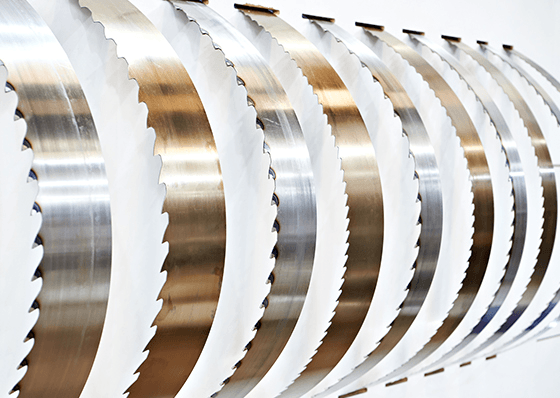
Bandsaw performance depends on much more than blade size. A blade that fits the machine can still be the wrong choice if it does not match the material, the cut type, or the demands of the job. In production environments, that mismatch can show up as rougher cuts, shorter blade life, slower throughput, or unnecessary interruptions on the floor.
The best bandsaw blade selection starts with understanding the variables before the blade is ordered. Material type, tooth pitch, substrate, and application conditions all work together, and the right choice usually comes from looking at the job as a whole rather than isolating one specification. With a clearer selection process, buyers and operators can make better decisions for cut quality, efficiency, and long-term performance.
How To Choose The Right Bandsaw Blade For The Job
A practical selection process begins with the workpiece, the cutting conditions, and the result you need from the saw. That means looking at the material itself, how it will be cut, and what matters most in the application before comparing blade options.
For industrial buyers, maintenance teams, and shop managers, the key is to connect job conditions to the blade features that matter. Bandsaw blade selection is rarely solved by one data point alone. Material hardness, cross-section size, pitch, substrate, machine setup, and production volume all influence what will work best.
Start With The Material You Need To Cut
The workpiece material is one of the first things to assess because different materials place different demands on a bandsaw blade. Mild steel, stainless steel, aluminum, and other materials do not cut the same way, and they should not be approached with the same assumptions.
Material type, hardness, and cross-section size all help narrow the field. A shop cutting softer material may prioritize a different blade setup than one regularly cutting harder alloys or larger solid sections. Even when two materials look similar at a glance, differences in hardness or profile can change what makes sense from a bandsaw blade selection standpoint.
Match Tooth Pitch To The Workpiece Size And Shape
Tooth pitch has a direct effect on chip load, cut stability, and how efficiently the blade moves through the material. Choosing the right pitch means thinking about the size, wall thickness, and shape of the workpiece so the blade engages the cut properly.
Too few teeth in the cut can make the process less stable and may lead to vibration or a rougher result. Too many teeth can reduce cutting efficiency, affect chip clearance, and contribute to premature wear. This is why pitch should be matched to the actual profile being cut rather than chosen as a general default.
A simple comparison can help:
| Workpiece profile | Pitch consideration |
|---|---|
| Thin wall tubing | Finer pitch to keep enough teeth engaged |
| Structural shapes | Pitch matched to varying wall sections |
| Solid round or square stock | Coarser pitch may suit larger cross-sections |
| Bundles or mixed profiles | Pitch should account for the full cutting condition |
Choose The Right Blade Substrate For The Application
Substrate refers to the blade material or construction, and it plays a major role in durability, cutting behaviour, and overall application fit. Some blade substrates are better suited to general-purpose use, while others are a stronger fit for more demanding materials or higher-volume work.
The right choice depends on what the shop is trying to accomplish. A more general-purpose application may call for a different substrate than a job involving tougher materials, more consistent production demands, or greater emphasis on blade life. Instead of choosing based on habit, it is better to match the substrate to material difficulty, cutting volume, and the shop’s performance priorities.
Consider The Type Of Cut And Sawing Conditions
The same material may require a different approach depending on how the cut is being made. Straight cuts, interrupted cuts, bundle cutting, and other conditions can all influence which blade will be the better fit.
Sawing conditions matter as well. Feed pressure, cutting speed, machine condition, and the overall production environment all shape how a blade performs once it is on the saw. A blade chosen for occasional cutting may not be the best option for a more demanding, high-volume application, even if the material is similar. Looking at the operating context helps keep bandsaw blade selection tied to the actual job rather than a simplified material label.
Look At Surface Finish, Accuracy, And Blade Life Expectations
Selection is not only about whether the blade can complete the cut. It is also about whether it can support the finish, dimensional consistency, and usable blade life the operation expects.
Some applications may place more weight on speed, while others may care more about finish quality or repeatability. In many cases, there is a tradeoff between those priorities. A buyer focused only on upfront price may miss the larger question of how the blade fits the production goal. Taking finish, accuracy, and longevity into account early leads to a more useful comparison than cost alone.
Review The Application Before Finalizing Bandsaw Blade Selection
Before ordering, it helps to step back and review the full application. That final check can prevent assumptions from driving the decision and make it easier to confirm whether the blade suits the job in front of you.
A short checklist can help:
- What material is being cut?
- How hard is the workpiece?
- What is the size and shape of the cut?
- What tooth pitch best matches the profile?
- Which substrate fits the material and production demands?
- Are there recurring issues with finish, wear, or cutting stability?
- Is the job occasional, repetitive, or high volume?
Common Mistakes In Bandsaw Blade Selection
A few selection errors show up repeatedly. One is choosing a pitch that does not match the workpiece profile, which can affect stability, cutting efficiency, and blade wear. Another is treating material type too broadly without considering hardness, wall thickness, or the difference between solids and structural shapes.
Focusing only on upfront price can also lead to poor fit. A lower-cost blade is not necessarily the better value if it does not suit the application. In practice, the wrong bandsaw blade can create avoidable issues in cut quality, wear rate, and process efficiency.
Questions To Ask Before Ordering Bandsaw Blades
Before purchasing, buyers should be able to answer a few basic questions clearly:
- What material is being cut?
- How often will the saw be used for this job?
- What cut quality is required?
- What are the workpiece dimensions and profile?
- What production demands will the blade need to support?
- Are there machine or application conditions that affect blade choice?
- Is the priority speed, finish, blade life, or a balance of all three?
Those answers make it easier to narrow down suitable bandsaw blades and avoid ordering based on guesswork.
Choosing A Better Bandsaw Blade For Long-Term Cutting Performance
The right bandsaw blade comes from matching the blade to the material, tooth pitch, substrate, and cutting conditions of the actual job. A more complete review up front can lead to better cut quality, more consistent results, and a stronger fit for long-term production needs. Clarkson-Osborn Tools supports industrial cutting applications with practical guidance and service for smarter blade selection.
Reach out to Clarkson-Osborn Tools today at (905) 453-4680, email us at info@clarkson-osborn.com or click here to get in touch online.
FAQ About Bandsaw Blade Selection
How Do I Choose The Right Bandsaw Blade For Metal Cutting?
The best choice depends on the material type, hardness, workpiece size, desired finish, and the cutting conditions involved. Looking at those factors together usually leads to a better selection than choosing by blade size alone.
Why Does Tooth Pitch Matter In Bandsaw Blade Selection?
Tooth pitch affects how the blade engages the material, clears chips, and maintains cutting stability. When the pitch does not suit the workpiece profile, cutting performance can suffer.
What Does Blade Substrate Mean For Bandsaw Blades?
Blade substrate refers to the blade’s material or construction. It influences durability, cutting behaviour, and how well the blade fits a given application.
Can The Wrong Bandsaw Blade Cause Poor Cut Quality?
Yes, a mismatched blade can contribute to rougher finishes, slower cutting, vibration, or shorter blade life. The better the application fit, the more likely the blade is to support consistent results.
What Information Should I Have Before Ordering Bandsaw Blades?
It helps to gather the material type, workpiece dimensions, cut requirements, machine setup, and production expectations before ordering. That information supports better selection decisions and reduces guesswork.
